The internet is not a pharmacy: how not to fall for prescription drug ads
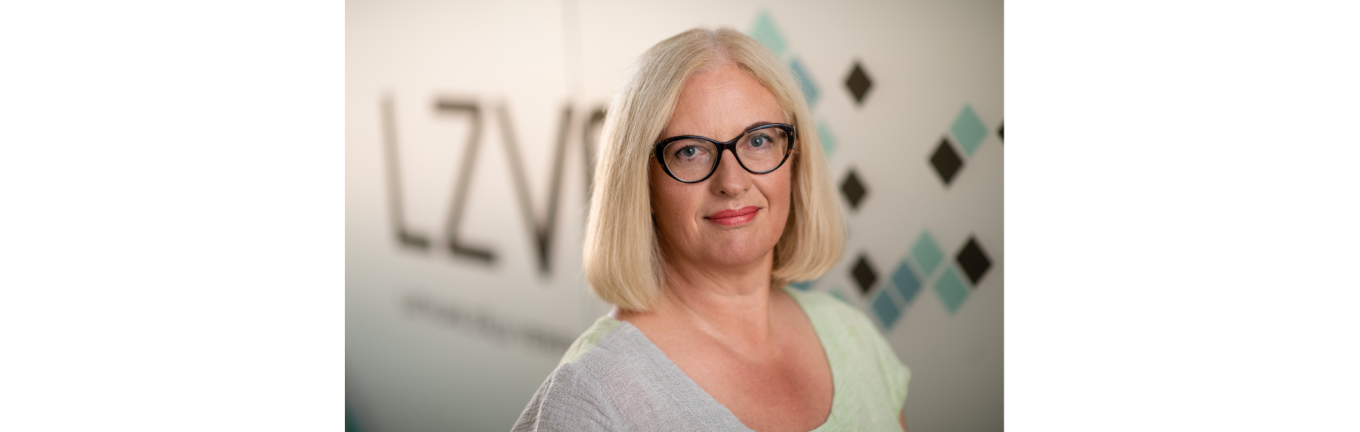
Article by Inese Erdmane, Chairwoman of the Board of the Latvian Medicines Verification Organisation.
We would never buy antibiotics from a stranger selling them out of the trunk of a car in the corner of a marketplace. So why do we do essentially the same thing online – a marketplace dressed up with filters and attractive fonts – without a second thought? Why does a flashing advertisement on social media suddenly become more convincing than critical thinking? Why do some people believe that prescription medicines can be safely purchased from the same places where they buy sneakers, concert tickets, or a used phone? Most importantly, why are we willing to risk our health to potentially save a few euros?
A survey conducted by the Latvian Medicines Verification Organisation (LZVO) and the research centre SKDS at the beginning of 2026 paints a concerning picture: one in five Latvian residents would be willing to purchase prescription medicines through social media or online forums if they appeared to be cheaper. This indicates that health literacy – the ability to distinguish safe options from dangerous ones – remains fragile within Latvian society.
Meanwhile, around 35,000 online pharmacies operate worldwide, and according to the Alliance for Safe Online Pharmacies (ASOP), 95% of them are illegal. ASOP studies and raises public awareness about the threats posed by the illegal online sale of medicines. Europol data further show that counterfeit and illegally distributed medicines worth €64 million were removed from the market in 2023. Counterfeit medicines often contain either too little of the active ingredient, none at all, or are manufactured under conditions that would be unacceptable even in films about smuggling. Yet people continue to buy them, increasing the profits of illegal operators.
Fraudsters have become increasingly sophisticated. They use the logos of government institutions, endorsements from “doctors,” the faces of influencers, and even deepfakes. They create an illusion of safety. Algorithms help them succeed: searching for a medicine’s name just once can place a user inside a digital bubble that starts feeding them “special offers.” Entering a medicine’s name into a search engine a few times, clicking on sponsored links, or watching videos on social media may be enough for algorithms to begin promoting medicines of unknown origin. Escaping such a digital environment can be extremely difficult.
This is not only a Latvian problem. In the United States, for example, 65% of people mistakenly believe that all online pharmacies are legal. The result is simple: people risk their health while fraudsters profit. Similar trends can be observed elsewhere in the world. According to an ASOP survey, 27% of respondents said they would purchase prescription medicines online if recommended by family members or friends, while 17% would do so based on the influence of celebrities or social media influencers.
The situation in Latvia is similar. LZVO survey data show that a significant proportion of the population would relatively casually consider purchasing and using prescription medicines recommended by friends, neighbours, or colleagues (28%), as well as by influencers (15%), who may in fact be part of a marketing campaign or even a deepfake. In other words, instead of a physician, an acquaintance or celebrity becomes the authority guiding decisions about buying medicines online.
This is a clear signal that health literacy is not merely a medical issue – it is a matter of critical thinking and, ultimately, a survival skill. It is remarkable how easily people fall into the traps set by fraudsters.
Data indicate that worldwide, more people are seeking to obtain medicines more cheaply, quickly, and conveniently. While this is understandable, it can become a highly dangerous trend. Journalists have also approached LZVO after purchasing prescription medicines through online advertisements as part of media investigations. They later reported on the purchasing process and the inappropriate storage conditions of the medicines received. Such real – life stories from Latvia serve as a reminder that buying and using medicines of unknown origin can lead to serious health consequences and financial losses.
Thanks to Latvia’s medicines verification system, introduced seven years ago to ensure that only legally supplied prescription medicines reach pharmacies, patients can be confident that prescription medicines dispensed by pharmacies and healthcare institutions have been verified and are authentic.
Finally, it is worth remembering a simple truth: the only safe place to obtain prescription medicines is from licensed pharmacies and healthcare institutions. Only the legal supply chain can guarantee that medicines are genuine, verified, and safe.